Here, a standard walk-in wardrobe gets transformed into a dressing room by introducing a dresser and seating
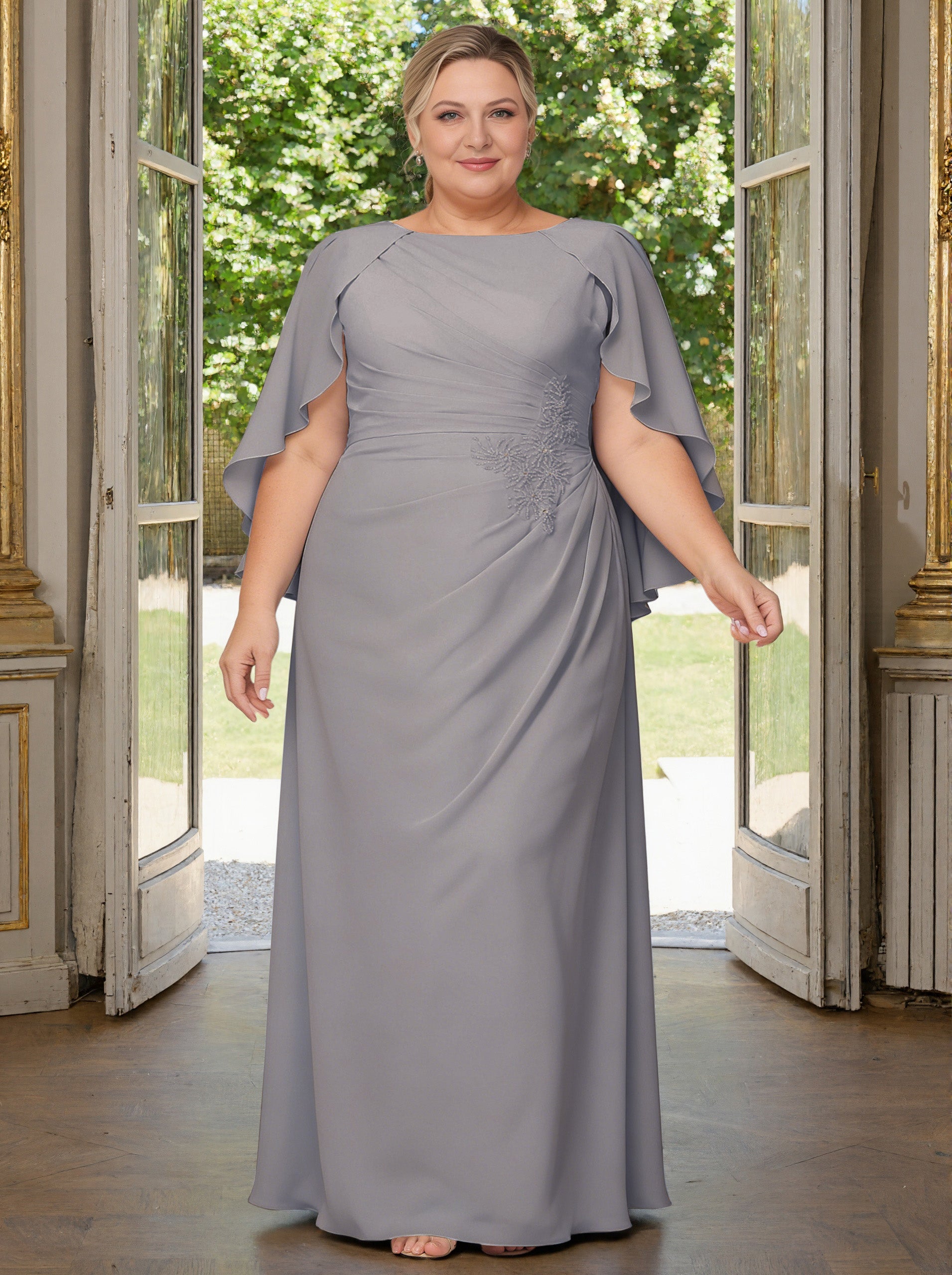
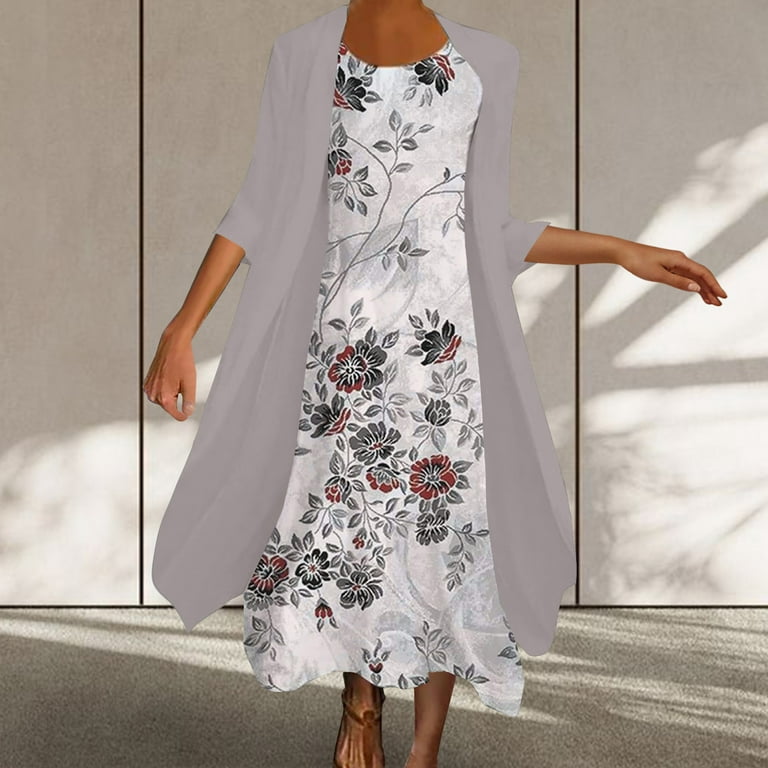
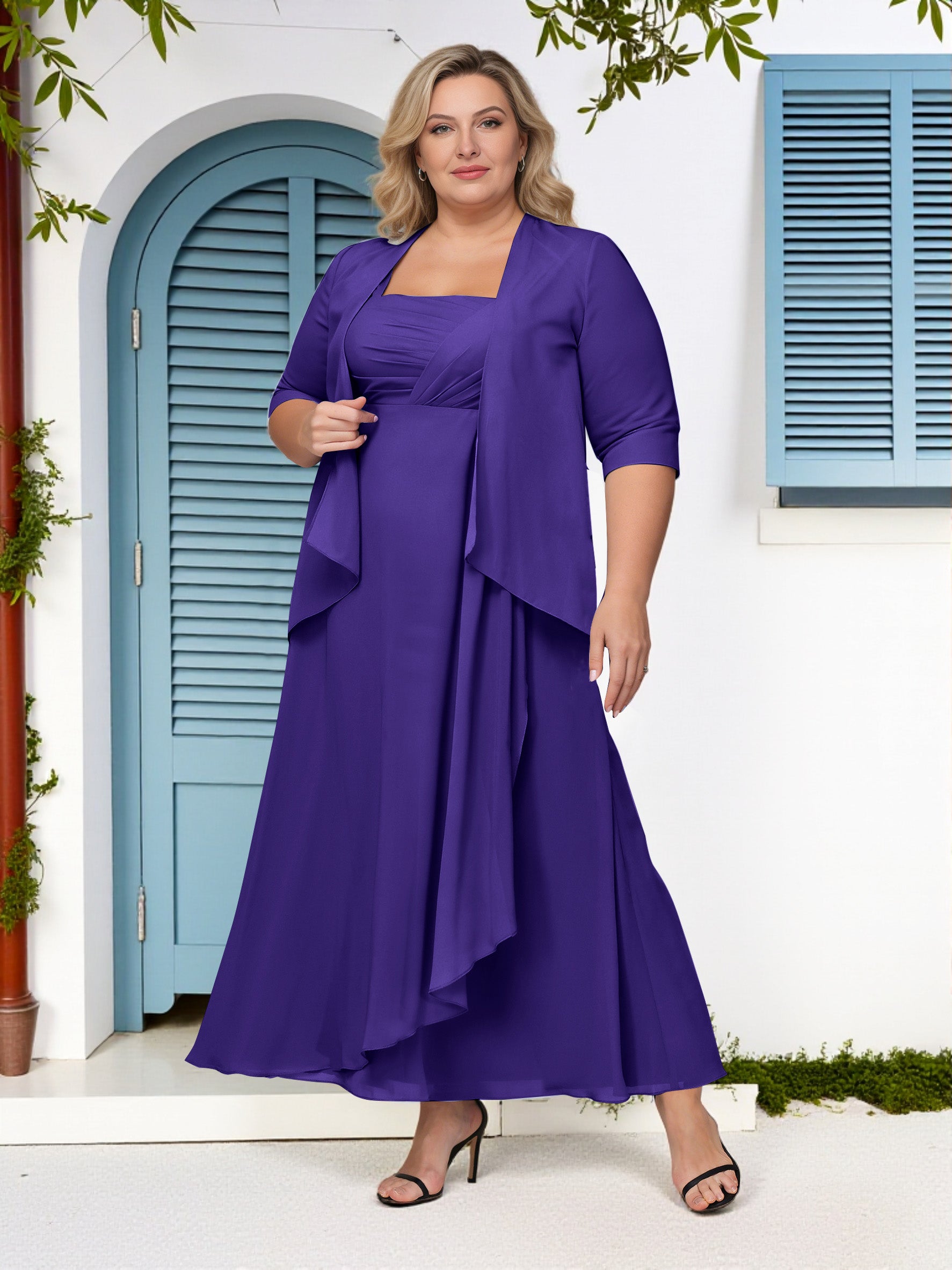
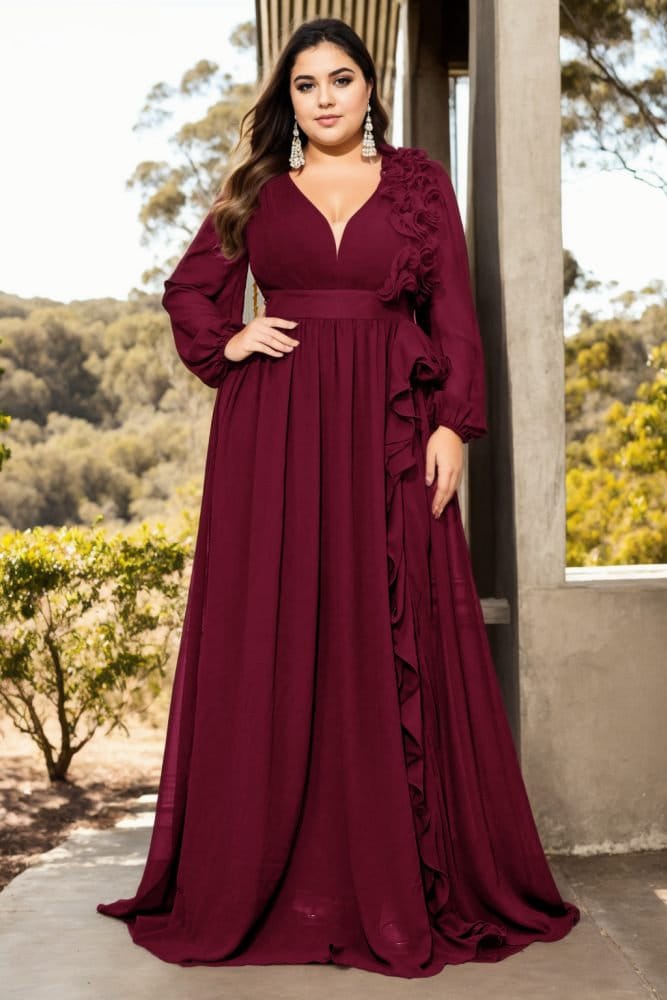
what fabrics are good for producing designer clothing When producing designer clothing, the choice of fabric plays a crucial role in achieving the desired aesthetic, comfort, and quality
The modern design and sleek look make it a perfect addition to any bedroom or living room
Fabric selection rules I follow I pick fabrics that gather without looking cracked I avoid fabrics that hold hard crease lines at tier seams I confirm shrinkage before bulk cutting, especially in viscose Good vs risky fabric list Safer: viscose challis, cotton voile, light crepe, chiffon with lining Medium risk: poplin (must be light), linen blends (wrinkle story) Higher risk: heavy satin, thick twill, heavy denim, stiff taffeta Lining decisions that change quality No lining: only if fabric is not sheer and seams feel soft Partial lining: bodice lined, skirt unlined for airflow Full lining: for light colors, but it adds cost and reduces movement What are the biggest production and QC risks for tiered A-line dresses